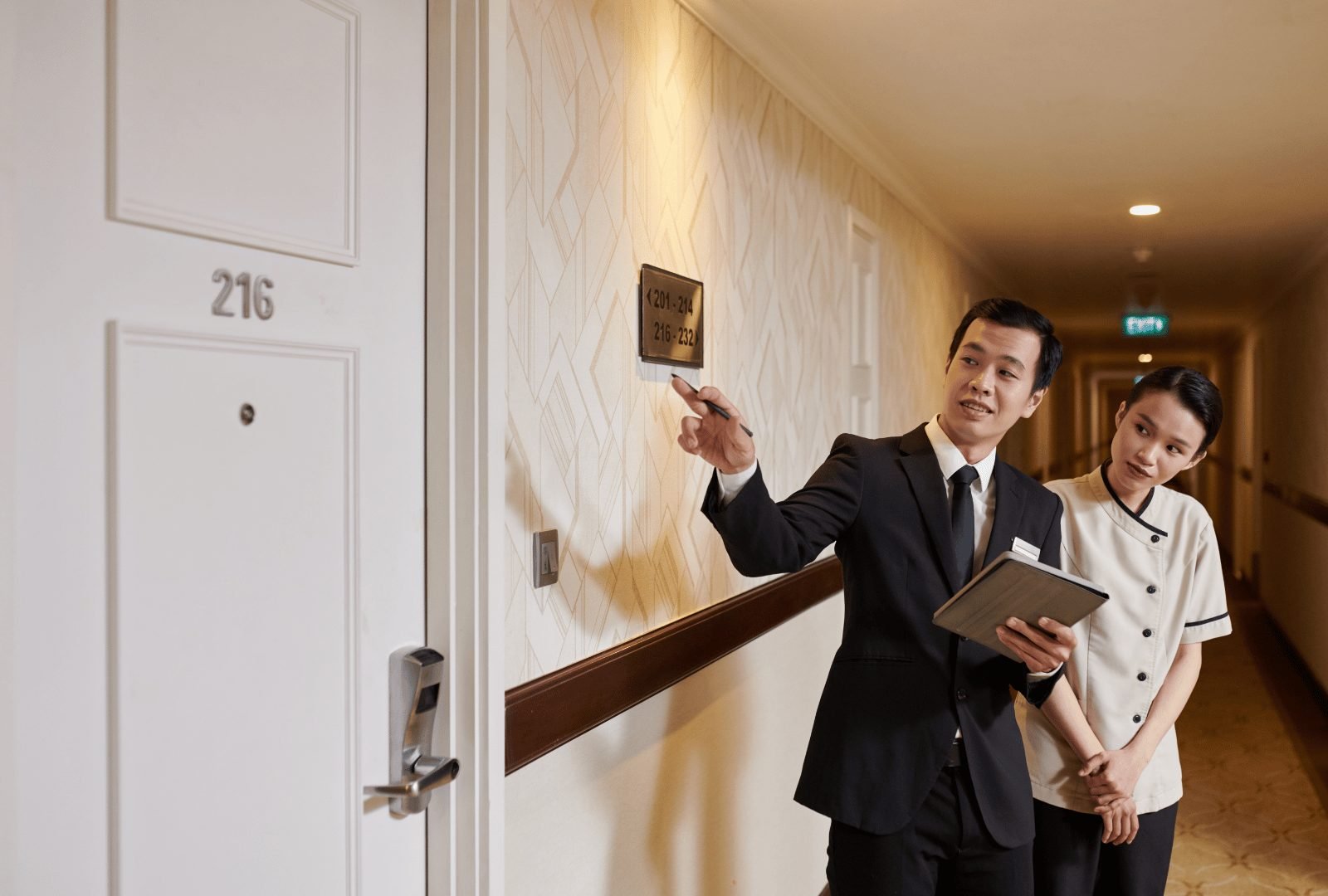
Orientation introduces a team to the property, its standards and its systems. It is an important start but it is only a start. Skills and habits develop through repetition, feedback and time.
Continuous training keeps standards alive. Short, regular sessions on a single topic, such as handling a complaint or presenting a dish, are often more effective than occasional long workshops. On-the-job coaching from supervisors turns what was learned into consistent behaviour.
Leadership training matters as much as operational training. Supervisors and managers who know how to give feedback, recognise good work and lead a shift set the tone for the whole team, and they are often the difference between a property with high turnover and one with a stable, motivated staff.
Training also needs a purpose that guests can feel. When it is linked to the guest experience the property wants to deliver, and reviewed against measurable results, it becomes an investment rather than an expense.